

How do spaceflights change the organism? Bioinformaticians analyze genetic information to find out
In space research, crewed missions to the Moon and, in the medium term, to Mars are planned. How longer stays in space affect the human organism is therefore being studied aboard the International Space Station (ISS). A team led by bioinformatician Andreas Keller at Saarland University, together with colleagues from Stanford University, has investigated how spaceflight alters the exchange of genetic information inside cells.
They published their findings in the renowned scientific journal Nature Communications.
“Flights to the International Space Station ISS place a strain on astronauts in several respects. The rocket launch, with its enormous speed and the corresponding pressure on the body, causes stress; weightlessness alters blood circulation and causes the body to age differently. Radiation exposure in space is also increased,” says Andreas Keller, Professor of Clinical Bioinformatics at Saarland University. His research team examined what exactly changes in biological processes in space by analyzing so-called microRNAs—short, non-coding segments of ribonucleic acid (RNA). These regulate the implementation of genetic information within cells. “For this purpose, blood samples from astronauts, such as those taken during earlier space missions for gene analyses as part of NASA’s Twin Study, were not sufficient. Instead, we required tissue samples from mammals,” explains Andreas Keller.
During previous ISS missions, NASA therefore sent several mice into space. These mice were three and eight months old and could be compared with age-matched mice on Earth. The Saarbrücken research team, which worked closely with colleagues at the renowned Stanford University, received 686 small RNA samples from NASA. These samples came from 13 different organs of mice that had spent at least three weeks aboard the International Space Station. “This generated enormous volumes of gene sequencing data, which we analyzed using our bioinformatic methods. These analyses, which built on our many years of experience with microRNAs, took more than a year to complete,” explains Andreas Keller, who also leads a research group at the Helmholtz Institute for Pharmaceutical Research Saarland.
Weightlessness leads to symptoms similar to degenerative diseases
The Saarbrücken scientists focused on how tissue in the heart, brain, spleen, and thymus, as well as in the digestive tract, changes under space conditions. “We found that the physiological effects of spaceflight on humans are considerable. Prolonged stays in weightlessness lead to symptoms similar to degenerative diseases observed on Earth. These include muscle atrophy and bone loss, a weakened cardiovascular system, and changes in the immune system,” explains Andreas Keller. In addition, the team observed that organs age differently in weightlessness, suggesting that astronauts may experience accelerated aging. “These effects intensify with the duration of the mission, which is an important consideration for future missions to Mars and beyond, which would last significantly longer. The goal should now be to identify biomarkers and therapeutic targets through further research in order to mitigate the negative effects on astronauts,” says Andreas Keller.
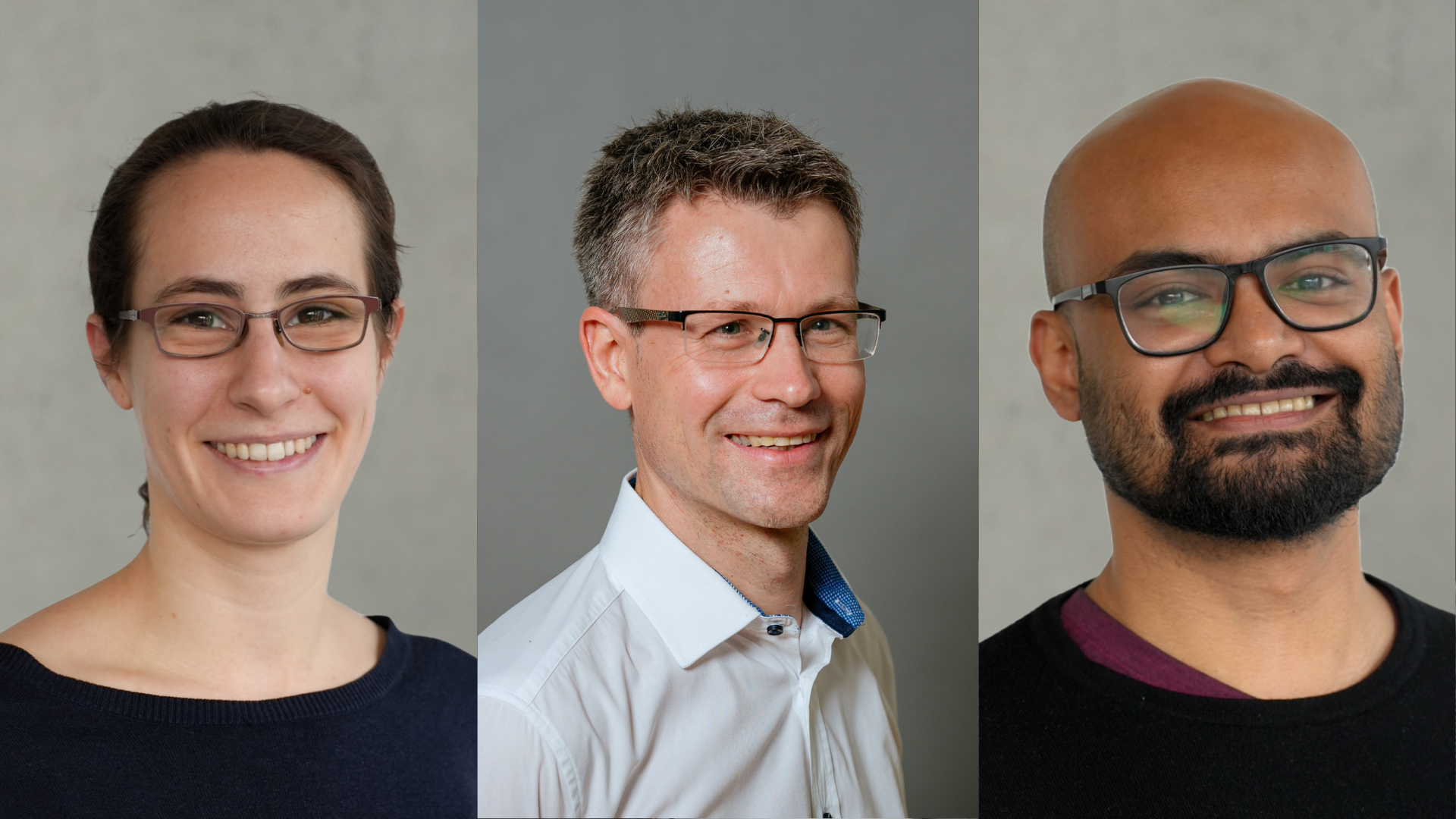
The research results were published in the renowned scientific journal Nature Communications. The first authors are Friederike Grandke and Shusruto Rishik. The work was conducted under the leadership of Professor Andreas Keller (Saarland University) and Professor Tony Wyss-Coray (Stanford University). A further publication on the identified gene sequencing patterns is planned for the spring.
Original publication:
Friederike Grandke, Shusruto Rishik, Viktoria Wagner, Annika Engel, Nicole Ludwig, Kruti Calcuttawala, Fabian Kern, Verena Keller, Marcin Krawczyk, Louis Stodieck, Virginia Ferguson, Amanda Roberts, Eckart Meese, Nicholas Schaum, Steven Quake, Tony Wyss-Coray & Andreas Keller:
“MiRNAs shape mouse age-independent tissue adaptation to spaceflight via ECM and developmental pathways” in Nature Communications 17, 1387 (2026):
https://doi.org/10.1038/s41467-026-68737-1
Further Information:
https://www.ccb.uni-saarland.de/
https://www.helmholtz-hips.de/de/forschung/people/person/prof-dr-andreas-keller/
Contact for Inquiries:
Prof. Dr. Andreas Keller
Tel. +49 681 302 68611
Mail: andreas.keller(at)ccb.uni-saarland.de